

Undergoing oral surgery can feel overwhelming, but understanding what to expect during the recovery process can ease your mind and set you on the path to a smooth recovery. At The Oral Surgery Group, we prioritize not only the success of your surgery but also your comfort and well-being afterward…. Read More…

When it comes to oral surgery, the idea of sitting in the dental chair can be anxiety-inducing for many patients. Whether you’re facing a simple extraction or a more complex procedure, knowing that you have options for sedation can make the experience much more manageable. The Oral Surgery Group offers a range… Read More…

Just like your regular teeth, wisdom teeth are unique to every individual. It’s important that you see your general dentist regularly so that they can monitor signs that wisdom teeth are beginning to erupt through the gum line. Don’t delay in taking care of yourself and your loved ones. Dental… Read More…
So many people have experienced a form of sinusitis at some point in their life, complete with headaches, inflammation and fever. It’s a fairly common health condition that affects nearly 35 million people in the United States annually. Sinus infections remain at the top of the list of health issues… Read More…

Earlier this month, The Oral Surgery Group shared a blog about whether or not someone needs to worry about having their wisdom teeth extracted. What we found out is that you need to pay attention to these potentially troublesome teeth early and get them out before they can do damage. … Read More…
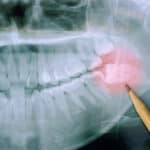
Even though their name suggests that they bring you more knowledge, wisdom teeth are generally known for causing another reaction in patients: pain and/or discomfort. According to the American Dental Association, these teeth were given their name because they tend to appear at a more mature age — usually between… Read More…

General dentists, endodontists, and oral surgeons in Bucks, Montgomery and the Philadelphia area all share one common goal, providing the very best care possible for optimal oral health in your: Teeth Gums Mouth One way oral surgeons and endodontists (root canals) differ from a general dentist is that they have… Read More…

As the area’s trusted oral surgeons in the Bucks, Montco, and Philadelphia Region, The Oral Surgery Group often gets asked by patients if they need a referral from their general dentist to see us. To which we always reply, “not exactly.” It depends on your unique needs, but for the… Read More…

Have you ever woken up with a headache, but your tooth or teeth kind of hurt too? How about the other way around? When this happens, your Philadelphia oral surgeon knows that it can be tricky to figure out what, if any, relation there is between the two and when… Read More…

Are you a teen or young adult who’s experiencing what it’s like when your wisdom teeth finally erupt? Do you have a kid at home who’s about to go through the same thing? For many teens and adults, getting their wisdom teeth isn’t quite as much fun as it sounds…. Read More…

I had 2 molars removed (17 & 18) and didn’t feel a thing! Before I knew it, they were out! If I ever need oral surgery again there is no one else I will see. I would HIGHLY recommend him!
My doctor was great and the staff were great also. I would definitely recommend them to anyone. They were all very friendly and helpful.
I was able to get scheduled very soon after I first called in. And once I arrived at the office, the entire process from start to finish was prompt, professional, and expertly done. I am happy to recommend this practice to anyone.
Absolutely! I felt very confident with him. I will always return to him for any future dental work I need done. The whole experience was very well organized. I didn’t think a doctor and staff as good as this existed.
Dr. Dachowski is an amazing oral surgeon who is an expert in his field. I have had several implants placed by him and was a painless procedure. His entire team is professional and extremely concerned about their patients comfort and excellent care.
I traveled from Wilmington, DE because Dr. Dachowski and his staff are the best for teeth extractions and implants!
I am very happy with Dr. Dachowski and all of his staff. They have taken a displeasurable situation and made it the best it could be. My wife is also a patient and recommended me. I am very glad to have found them and would highly recommend them. As a business owner I understand the value of great customer service. Keep up the good work.
They are a very professional and impressive organization that uses the latest technology to do the job perfectly. They also take time to answer any questions you might have about the procedure. Will use them again and recommend them to others.
I highly recommend this practice for their quality service, knowledge & professionalism!